
A Beginner’s Guide to Meditation: How to Start(Without Overthinking It)
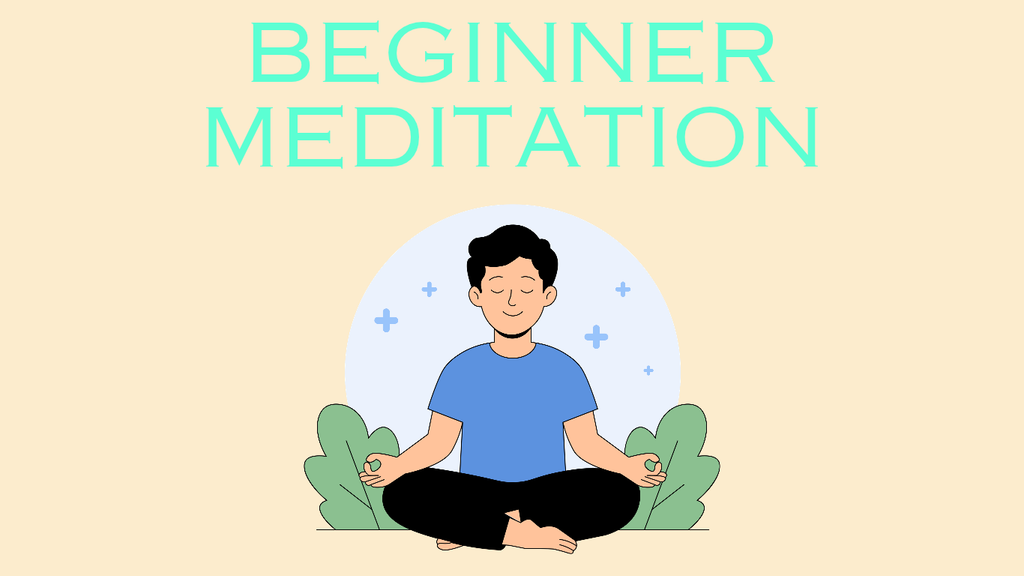
Five minutes, a quiet spot, and a little patience is all you need to improve your mindfulness practice.
If you’ve ever thought, “I should really try meditation, but I can’t stop my thoughts,” you’re in good company. Almost every beginner starts there. The good news: meditation isn’t about silencing your mind. It’s about learning to notice what your mind is doing, and gently coming back to the present moment.
This guide walks you through what meditation actually is, why people do it, and a simple practice you can start today to connect with your inner self.
Table of Contents
What Is Meditation, Really?
Meditation is the practice of training your attention. Think of it like a gym workout for focus and awareness, helping to improve your mental clarity. Instead of lifting weights, you’re repeatedly bringing your attention back to something steady, like your breath, a sound, or a physical sensation.
There are many styles, including mindfulness, loving-kindness, body scans, and mantra-based practices. As a beginner, you don’t need to pick the “perfect” one. Mindfulness of the breath is the most common starting point, and it’s the one we’ll use below.
Why Bother? The Benefits
People take up meditation for different reasons, and research suggests regular practice can help with:
- Stress and anxiety: Slowing down gives your nervous system a chance to settle and reduces stress levels.
- Focus: Practicing attention in meditation tends to carry over into daily tasks.
- Emotional balance can be achieved through effective mindfulness techniques. You start noticing feelings before they take over.
- Sleep therapy can be an effective way to enhance your overall well-being. Many people find a short evening practice helps them wind down and lower their blood pressure.
- Self-awareness: You get better at recognizing your habits and patterns.
Meditation isn’t a cure-all, and results vary from person to person. But for many, it’s a simple, free tool that makes daily life feel a bit more manageable.
What You Need to Get Started
Not much, honestly:
- A quiet-ish place. Perfect silence isn’t required. A bedroom corner, a parked car, or a park bench all work.
- A comfortable position. Sit on a chair with your feet flat on the floor, or on a cushion on the ground. Keep your back fairly upright but not rigid. You can also lie down, though you may be more likely to fall asleep.
- A timer. Set it so you’re not watching the clock. Start with 5 minutes.
- An open attitude can help you connect more deeply with your meditation practice. There’s no “good” or “bad” session. Showing up counts.
A Simple 5-Minute Breathing Meditation
Try this right now, or save it for tomorrow morning.
- Settle in. Sit comfortably, rest your hands on your lap, and let your eyes close or soften your gaze toward the floor.
- Take a few deep breaths. Inhale through your nose, exhale slowly through your mouth. Do this two or three times, then let your breathing return to normal.
- Find your breath. Notice where you feel it most clearly: the air at your nostrils, your chest rising, or your belly expanding.
- Rest your attention there. You don’t need to control the breath. Just observe it, one inhale and one exhale at a time.
- Notice when your mind wanders. It will. You’ll start planning dinner or replaying a conversation. This is not failure. It’s the practice that helps you lower stress and improve focus over time.
- Gently return. When you notice you’ve drifted, kindly bring your attention back to the breath. Every return is one repetition, like a bicep curl for your mind.
- Finish slowly. When the timer goes off, take a breath, wiggle your fingers and toes, and open your eyes. Notice how you feel.
That’s it. Really.
Common Beginner Struggles (and How to Handle Them)
“My mind won’t stop racing.” Totally normal. A busy mind isn’t a sign you’re doing it wrong. Noticing that you’re distracted is the moment of mindfulness that can improve your emotional balance.
“I keep falling asleep.” Try sitting upright, meditating earlier in the day, or keeping your eyes slightly open.
“I don’t have time.” Start with just two or three minutes. Consistency matters far more than length.
“I feel restless or uncomfortable.” Adjust your posture, or simply observe the restlessness with curiosity. Sensations often shift when you stop fighting them.
“I’m not sure I’m doing it right.” If you’re sitting down and gently returning your attention again and again, you’re doing it right, as there is no right or wrong way to meditate.
Tips for Building the Habit
- Anchor it to something you already do. Meditate right after brushing your teeth or before your morning coffee.
- Start tiny. Five minutes a day beats an hour once a month.
- Try guided meditations. Apps and free videos can walk you through the process, which is especially helpful in the first few weeks.
- Be kind to yourself. Skipped a day? Just begin again. There’s no streak to protect, just a continuous journey to improve your practice.
- Track how you feel, not how “well” you did. Over time, notice changes in your mood, sleep, and stress rather than grading each session to improve your overall experience.
A Quick Note on Safety
For most people, meditation is gentle and safe. But if you have a history of trauma, severe anxiety, or depression and find that sitting in silence stirs up difficult feelings, consider practicing with a qualified teacher or mental health professional. Meditation is a supportive tool, not a replacement for professional care.
Your First Step
You don’t need to clear your schedule, buy a cushion, or become a different person. Tomorrow, find five quiet minutes, sit down, close your eyes, and follow your breath to reduce anxiety. When your mind wanders, and it will, simply come back to your breath and connect with the present moment.
That small act of coming back, over and over, is the heart of meditation. And it’s something anyone can do, starting today.
