
When to Fit Meditation Into a Busy Life
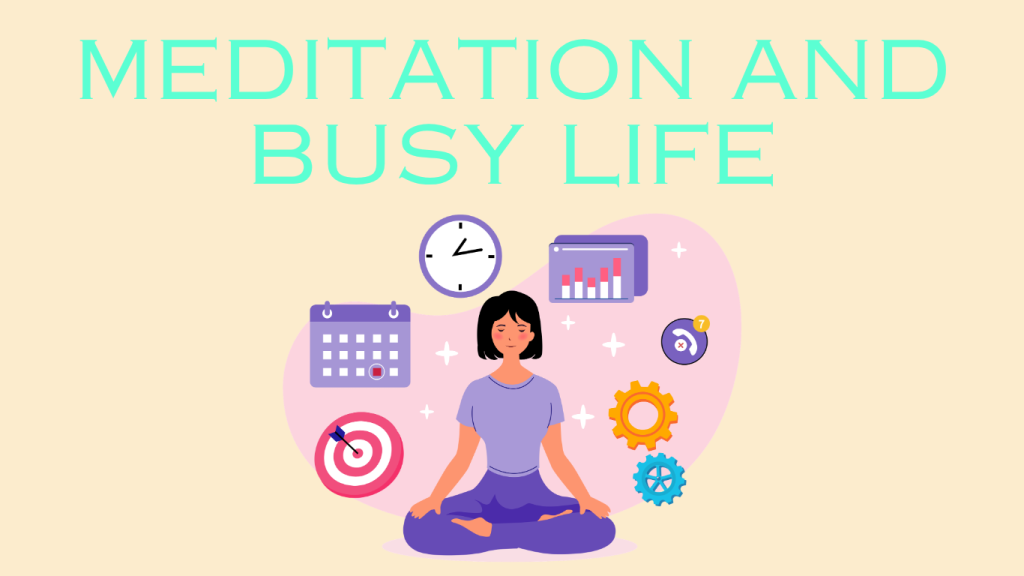
We all know meditation is good for us. The research is overwhelming—it reduces stress, improves focus, enhances emotional regulation, and even benefits physical health. Yet there’s a gap between knowing meditation works and actually doing it, especially when your calendar looks like a game of Tetris and your to-do list has a to-do list.
The question isn’t whether to meditate, but when. And the answer might surprise you: the best time is rarely when you feel calm and ready. It’s in the margins, the transitions, and the moments you’re already wasting anyway.
Table of Contents
The Morning Anchor (Before Your Brain Gets Loud)
If you can only meditate once, make it morning to kickstart your daily activities with intention. Not because mornings are magical, but because they’re predictable and fit meditation into your daily routine. Your willpower is fresh, your calendar hasn’t attacked you yet, and you’re less likely to negotiate with yourself.
The sweet spot is right after you wake up, before you check your phone. Even five minutes can significantly enhance your wellness journey as a meditator. Sit on the edge of your bed, feet on the floor, and just breathe. No apps, no music, no performance. Just you and the quiet before the world demands your attention.
This isn’t about being a morning person. It’s about catching yourself before the momentum of the day sweeps you away.
The Commute Conversion
Your commute is dead time pretending to be productive. Whether you’re on a train, bus, or sitting in traffic (if you’re not driving), this is premium meditation real estate.
Put in earphones—even if you’re not listening to anything—so people leave you alone. Close your eyes if you’re not driving. Focus on your breath or do a body scan from your toes to your head. Ten minutes of this beats ten minutes of doomscrolling or angry honking.
If you drive, try a simplified version: notice the weight of your hands on the wheel, the feeling of your back against the seat. Use red lights as mindfulness bells—a reminder to take three conscious breaths before the light changes.
The Lunch Break Reset
Midday is when most people hit a wall. Energy dips, focus scatters, and suddenly you’re refreshing the same webpage for the third time. This is your cue.
Find a quiet corner—a conference room, your parked car, a park bench, even a bathroom stall if you’re desperate. Set a timer for ten minutes. This isn’t your lunch break; this is your sanity break.
The beauty of lunch meditation is that it splits your day. You’re not white-knuckling from 9 to 5. You’re doing two half-days with a reset button in between.
The Transition Ritual (Between Work and Home)
This is the most underrated meditation window. That liminal space between work mode and home mode is where stress follows you through the door and ruins your evening.
Before you walk into your house or apartment, sit in your car or stand outside your door for five minutes. Let work stay at work. Notice what you’re carrying—tension in your shoulders, replaying conversations, worrying about tomorrow. Acknowledge it, then consciously set it down.
If you take public transit, get off one stop early and walk the last bit mindfully. Pay attention to your steps, the air, the sounds. Arrive home as yourself, not as a stressed-out shell of yourself.
The “Waiting for Water to Boil” Moments
Busy people don’t need more time. They need to use the time they’re already wasting. While you’re waiting for:
- Water to boil
- Coffee to brew as part of your daily routine.
- Your computer to restart during your busy schedule.
- An elevator to arrive
- A meeting to start
- Food to microwave
- Your kid to find their shoes
These micro-moments add up to the benefits of meditation. Stand still. Close your eyes if you can. Take five slow breaths. That’s it. You just meditated.
The point isn’t to be constantly meditating. It’s to train yourself to recognize these pockets and use them instead of filling them with phone-checking.
The Pre-Sleep Wind Down
If morning meditation feels impossible, try the opposite end. Twenty minutes before bed, sit somewhere that isn’t your bed. Dim the lights. This isn’t sleep—it’s the decompression chamber between your day and your rest, essential for a mindful life.
Evening meditation is like telling your nervous system the danger has passed. You survived, and now it’s time to incorporate meditation into your daily activities. You can stop scanning for threats. Let your breath slow down. Let your thoughts settle like snow in a snow globe.
The bonus? The benefits of meditation can be felt even with short sessions. You’ll sleep better, which makes everything else in your busy life more manageable.
The “Instead of Scrolling” Swap
Be honest: how much time do you spend on your phone each day mindlessly scrolling? Five minutes here, ten minutes there, twenty minutes before bed. It adds up to hours of mindful practice over time.
Try this experiment for one week: every time you reach for your phone out of boredom, meditate instead. Even for sixty seconds. Close your eyes, take three deep breaths, notice what you’re feeling.
You’ll quickly realize you’re not too busy to meditate. You’re just choosing phone addiction over five minutes of presence.
When Everything Falls Apart
Here’s the truth busy people don’t want to hear: if you wait until you have time, you never will. Time isn’t found—it’s made, especially when you prioritize wellness. And meditation isn’t something you do when life calms down. It’s what helps you survive when life refuses to.
The goal isn’t perfection. It’s consistency in the chaos. Five minutes a day beats an hour once a month. A mediocre meditation habit you actually do is infinitely better than an ideal one that stays on your wishlist.
Start Stupid Small
Want to build a meditation practice that survives your busy life and enhances your wellness? Start with two minutes. Not ten, not twenty. Two. So small it feels ridiculous. So small you can’t fail.
Do it at the same time each day. After you brush your teeth. Before your first coffee. When you sit down at your desk. Attach it to something you already do automatically.
Once two minutes feels easy—really easy, for several weeks—add another minute. Then another. Build slowly. The people who stick with meditation don’t start with hour-long sessions. They start embarrassingly small and stay consistent.
The Real Question
The question isn’t “When should I meditate?” but “How can I fit meditation into my daily routine?” It’s “What am I willing to trade?”
Because you’re not too busy. You’re just spending your time on other things instead of the need to meditate. Maybe scrolling, maybe worrying, maybe compulsively checking email. Those minutes are there. They’re just filled with noise instead of stillness.
Meditation doesn’t require extra time. It requires choosing differently in the time you already have.
So pick one window. Just one. Morning, commute, lunch, transition, evening—whatever feels least impossible. Start tomorrow. Two minutes can transform your day into a mindful experience. See what happens.
The busier you are, the more you need it. And the busiest people? They’re not the ones who can’t find time to meditate. They’re the ones who can’t afford not to.