The Healing Power of Meditation When You’re Under the Weather
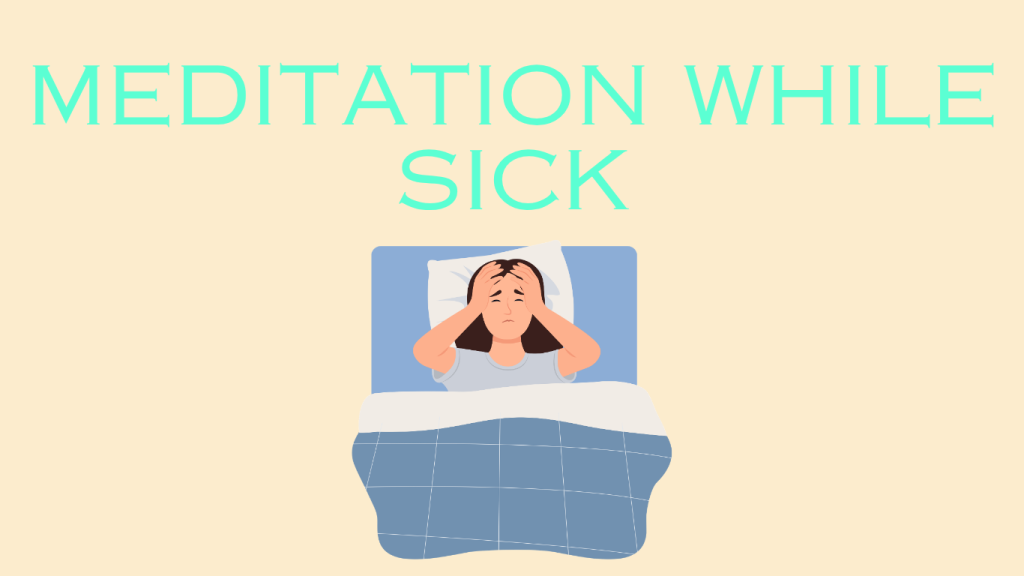
We’ve all been there—stuck in bed with a cold, the flu, or some other sickness that’s knocked us off our feet. Between the physical discomfort and the mental fog, being sick is miserable. But what if I told you that a simple practice could help soothe both your physical symptoms and your mental distress? Enter meditation: your unexpected ally in the battle against illness.
Table of Contents
Why Meditation Works When You’re Sick
When you’re ill, your body is already working overtime to heal itself. Meditation doesn’t replace medical treatment, but it can be a powerful complement to your recovery toolkit. Here’s why it matters for your overall well-being.
Stress Reduction and Immune Support
Being sick is stressful. You’re worried about missing work, falling behind on responsibilities, or simply how long you’ll feel awful. This stress triggers cortisol release, which can actually suppress immune function—the exact opposite of what you need.
Meditation activates your parasympathetic nervous system, the “rest and digest” mode that counters stress. Studies show that regular meditation can reduce cortisol levels and enhance immune response. Even a few minutes of mindful breathing can signal to your body that it’s safe to focus energy on healing rather than stress response.
Pain and Discomfort Management
Whether it’s a pounding headache, body aches, or a sore throat, illness often comes with pain that can be alleviated through relaxation techniques. Meditation won’t make the pain disappear, but it can change your relationship with it.
Through mindfulness, you learn to observe discomfort without resistance or catastrophizing. Instead of thinking “this headache is unbearable and will never end,” you notice “there is throbbing in my temples” with less emotional reactivity. This shift in perspective can significantly reduce suffering, even when physical sensations remain.
Better Sleep Quality
Sleep is crucial for recovery, yet illness often disrupts it. Congestion, coughing, fever, and general discomfort can keep you tossing and turning, making it hard to relax and soothe your mind. Meditation, particularly body scan or guided relaxation techniques, can help calm your nervous system and prepare your body for rest.
By focusing attention away from racing thoughts about being sick and toward the present moment, you create mental conditions more conducive to sleep—even when your body isn’t at its best, helping to boost your recovery.
Emotional Resilience
The mental toll of illness often gets overlooked. Frustration, boredom, anxiety about recovery time, and sadness about missing out on life can compound physical misery. Meditation builds emotional resilience by creating space between you and your thoughts.
You start to recognize that thoughts like “I’ll never get better” or “I’m wasting time being sick” are just thoughts, not facts. This metacognitive awareness prevents you from spiraling into negativity and helps maintain a more balanced emotional state.
Practical Meditation Techniques for When You’re Sick
The beauty of meditation during illness is that you don’t need to be in peak condition to do it. Here are approaches specifically suited for when you’re under the weather.
Breath Awareness (Even with Congestion)
If your nose is stuffed, don’t worry—you can still practice breath meditation. Simply notice the quality of your breathing wherever you can feel it most: the rise and fall of your chest, the sensation of air moving through your mouth, or even the subtle expansion of your belly as you meditate.
Try this: Set a timer for five minutes. Close your eyes and bring attention to your breath. Don’t try to change it; just observe and relax in the present moment. When your mind wanders to how awful you feel, gently return focus to breathing. That’s it.
Body Scan for Aches and Tension
Illness creates tension as we unconsciously brace against discomfort. A body scan helps release this.
Lie down comfortably. Starting with your toes, mentally scan upward through your body, noticing sensations without judgment. When you encounter areas of pain or tension, breathe into them with kindness rather than resistance. Imagine each exhale carrying away a bit of tightness.
Loving-Kindness for Self-Compassion
Being sick often triggers self-criticism: “I should have taken better care of myself” or “I’m weak for getting sick,” which can hinder your ability to relax and heal. Counter this with loving-kindness meditation.
Silently repeat phrases like: “May I be comfortable. May I heal with ease and visualize my recovery. May I be patient with my body. May I rest without guilt.” Direct genuine warmth toward yourself as you would toward a sick friend.
Guided Meditation Apps
When you’re too foggy-headed to self-direct, apps like Insight Timer, Calm, or Headspace offer guided sessions. Look for shorter practices (5-10 minutes) focused on healing, sleep, or pain relief.
When and How to Practice
Keep it short and sweet to effectively boost your well-being. You don’t need hour-long sessions. Even three to five minutes can provide benefits, and you can practice multiple times throughout the day.
Position matters. If sitting upright triggers dizziness or drains your energy, lie down or prop yourself up with pillows. Meditation doesn’t require a specific posture—comfort takes priority when you’re ill.
Timing is flexible. Practice when you feel up to it, even if just to soothe your mind. First thing in the morning to set a calm tone, during the afternoon slump to avoid spiraling into negativity, or before bed to ease into sleep.
Be gentle with yourself. Some days you’ll have focus; other days your mind will be scattered. Both are fine. The practice is showing up, not achieving perfection.
What Meditation Can’t Do
Let’s be clear: meditation is not a cure. It won’t kill viruses, heal bacterial infections, or replace necessary medical treatment. If you’re seriously ill, see a healthcare provider for proper exercise and treatment. Meditation works alongside medicine, rest, hydration, and proper nutrition—not instead of them, to boost your recovery.
The Bigger Picture
What makes meditation particularly valuable during illness is that it shifts you from passive suffering to active participation in your healing. You may not control when you get sick or how fast you recover, but you can influence how you experience the process.
By cultivating presence, self-compassion, and calm in the midst of discomfort, you’re not just making illness more bearable—you’re building a skill that will serve you long after you’ve recovered and enhance your well-being. The next time stress, pain, or difficulty arises, you’ll have a tool that works.
So the next time you’re laid up with a cold, don’t just resign yourself to misery. Take a few minutes to breathe, notice, and be kind to yourself. Your body is working hard to heal. Give your mind the same opportunity to find some peace.